

Different time, same issues
"The struggle for gender equality is far from over – and this is why I write historical fiction."

The New Year is a time for looking forward and for reflection. I have almost given up on New Year’s resolutions, mostly because I rarely keep them. But this year comes with a couple of milestones: a big birthday and a new novel out in August. It’s inspired by the life of another rule-breaking woman, and I can’t wait to introduce her to you. Reflecting on the women my novels are based on, I keep coming back to the same thought: in some ways, things have progressed for women but in others, they have stayed the same, or even slipped backwards.
If you’re new to my novels, I have written a short introduction to them here. I am drawn to writing about pioneers, rebels, artists, and survivors – women who dared to live on their own terms. The four books are very different in tone, but they share some common threads, over and beyond the dominating one of women who refuse to shrink themselves to fit society’s expectations. They centre women’s experiences; men being either irrelevant, obstructive, harmful, and only occasionally supportive.
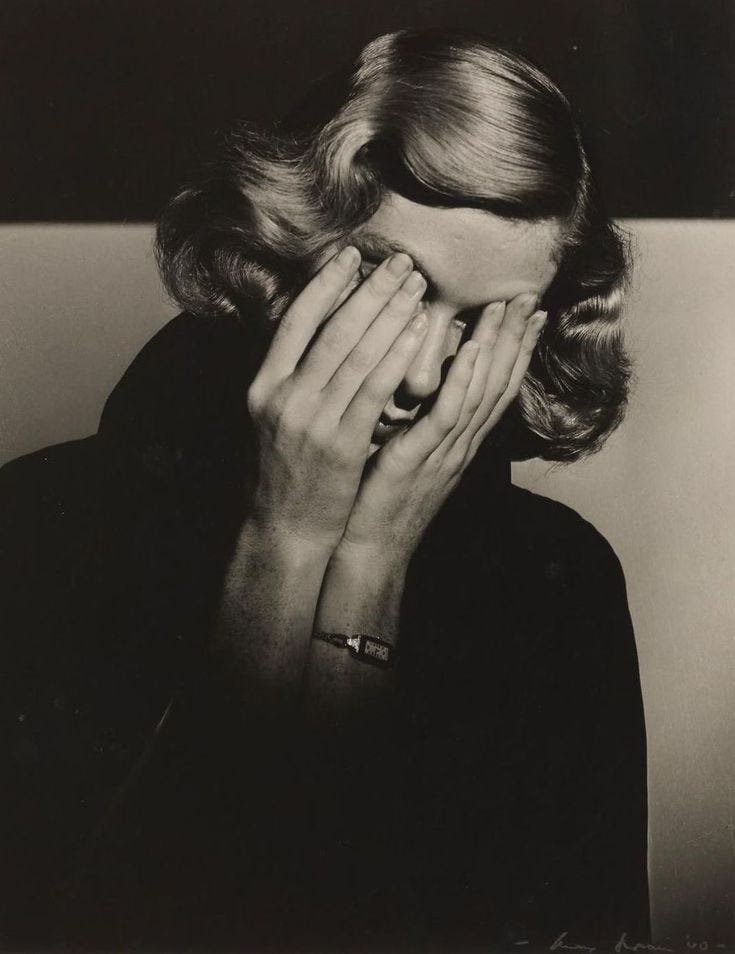
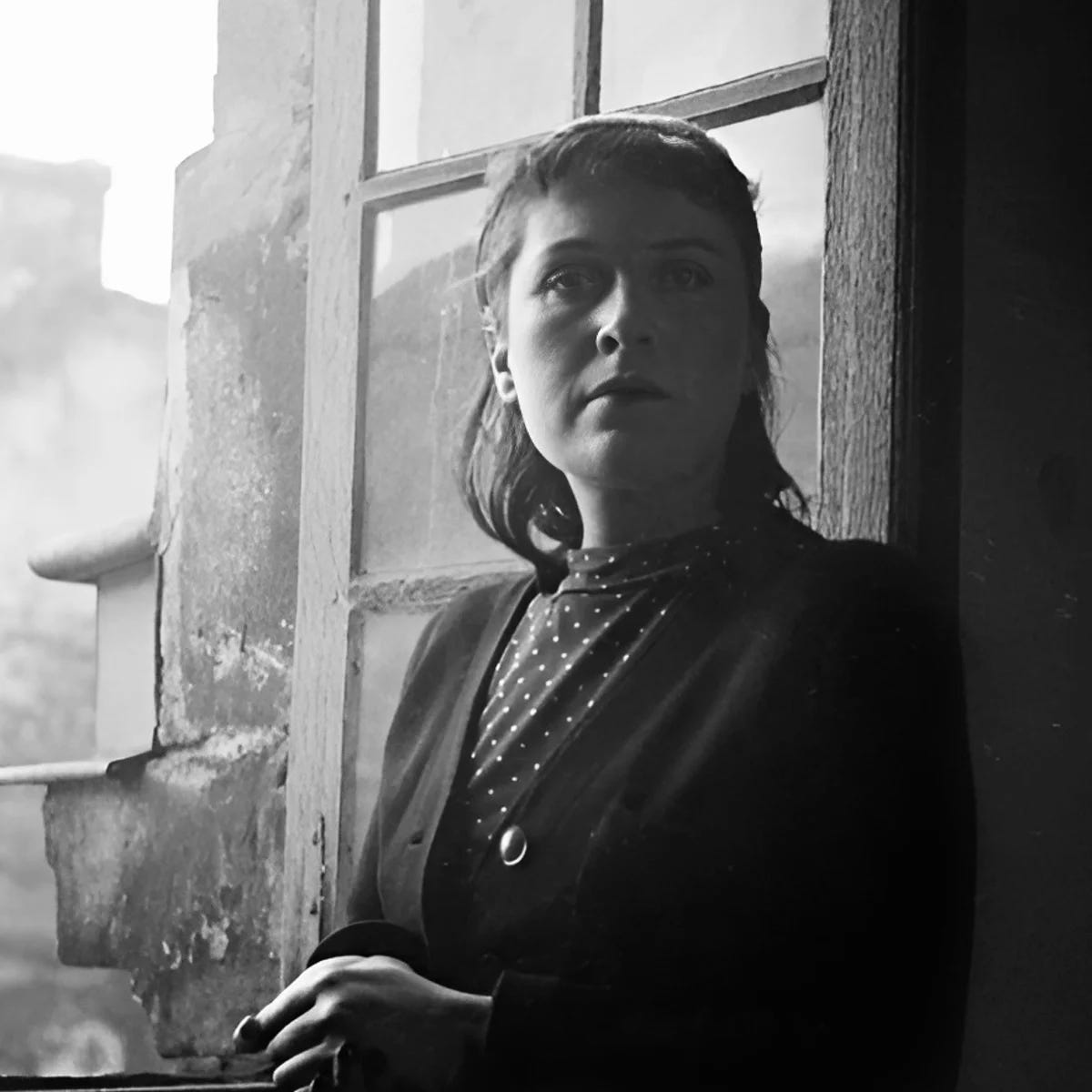
The protagonists all face severe constraints – first, the limitations of the female body. In a pre-Pill era, pregnancy – whether eagerly sought or desperately avoided—looms as a pivotal issue. Societal pressures weigh heavily on all of them, though in different ways. Most of my protagonists are negotiating worlds that were simply not designed for women to thrive in: publishing, journalism, and art, all structured to privilege men. There are severe psychic pressures on women operating in a man’s world, so it’s no surprise that the themes of breakdown and survival return again and again. Dorothy Richardson loses her mother to suicide in The Lodger. Virginia Courtauld (The Dragon Lady) and Dora Maar (The Paris Muse) both suffer breakdowns, and Madwoman is set in an asylum.
Madwoman is based on the life of America’s first female investigative journalist, Nellie Bly. To get her first big scoop, she came up with a daring plan: to fake insanity and have herself committed to the notorious asylum on Blackwell’s Island. There, she worked undercover to document – and expose – the wretched conditions faced by patients.
While Nellie was an inmate, she slowly realised that many of the women were not mentally ill but simply refused to conform to the narrow standards of society. There were women who had married without their parents’ consent, and women who refused to marry at all. Some were wives whose husbands had tired of them, and some couldn’t get over a broken love affair, or the death of a loved one. In short, the asylum was a socially acceptable way of disposing with inconvenient women.
It made me think about women in the recent past who were institutionalized for failing to fit into conventional ideas of womanhood – like Prince Philip’s mother, Princess Alice, and Rosemary Kennedy, who was left disabled by a disastrous lobotomy ordered by her father at the age of 23, and shut away for 20 years. I also thought of Britney Spears, who endured a 13-year-old conservatorship that stripped her of personal, economic, and legal decision-making power – effectively robbing her of her personhood. It’s horrifying that this is still going on, and that so many of the pressures faced by my protagonists are felt by women today. Society still struggles to find a place for women deemed inconvenient. Compare the terminology often used to describe assertive women – words like bossy, shrill, or bitchy – with the language applied to men in similar roles: assertive, strong, and confident.
Of course, the issues run far deeper than word choice. In Islamic states, women are stripped of education, employment, and basic rights. Closer to home, there are persistent issues like domestic and sexual violence, discrimination, and the pay gap between the sexes. The list goes on. The struggle for gender equality is far from over – and this is why I write historical fiction. History is not a series of dry facts that happened a long time ago. It’s a narrative that we live, and keep reliving in the present.
Another excellent piece of writing - thankyou
Hi! I am relatively new here, so just started exploring and stumbled upon this post of yours — it's really good, easy to read, coherent, and captivating. Would love to read your books one day.
Perhaps, you might be interested in checking out my posts, which focus on not dissimilar from yours themes and sentiments, I feel; but surely a wholly different approach and style.